




When something goes wrong on a riveting line, the instinct is often to blame the rivet. But in reality, the root cause of most riveting problems comes down to the tool — how it was selected, how it’s maintained, and how operators are trained to use it. With over 110 years of experience in permanent mechanical fastening, the team at RivetKing® has seen it all, and we’ve put together the best practices we share with our customers to help keep riveting operations running smoothly.
Start With the Right Tool From the Right Partner
Tool selection is the foundation of a reliable riveting process. Not all riveting tools are created equal — MRO and DIY tools often lack the force and stroke ratios required for consistent performance across all rivet designs and sizes. When sourcing riveting tools, look for reputable manufacturers that offer a 1–2 year warranty, maintain spare parts inventory for same-day shipment, and provide responsive repair service to keep tools operational with minimal downtime.
Just as important is choosing the right tool for the specific rivet being used. Rivet size, type, and application all factor into tool selection — using the wrong tool for the job is one of the most common and easily avoidable causes of riveting failures.
Partnering with a rivet manufacturer who can test rivets in real application conditions — both onsite and in a lab setting using a load cell — adds another layer of quality assurance. If performance concerns arise, that manufacturer should be able to quickly confirm whether the rivet itself is the issue or whether the problem lies elsewhere in the process. The right manufacturer partner can also provide training for your sales and production teams, building the kind of deep product knowledge that prevents problems before they start.
Configuring the Tool for Operation
Once you have the right tool, proper setup is critical. Here are the key factors to address before production begins:
Protect the tool from physical damage by using balancer mounts and ensuring adequate support so tools are never dropped or left unsupported. A dropped riveting tool can cause internal damage that isn’t immediately visible but leads to performance issues over time.
Compressed air quality is equally important. Maintain clean, dry, lubricated air at 90 psi for optimal tool efficiency. Installing F-R-L (Filter-Regulator-Lubricator) units is one of the most effective ways to protect your tools — these units filter out water and dust, regulate pressure, and lubricate the compressed air, preventing damage to hydraulic seals and cylinders. Use proper fittings with Teflon tape on couplings to eliminate air leaks, and always verify the nosepiece is the correct size for the rivet before starting operations.
Safety First
Proper tool use starts with a culture of safety. Always purchase tools equipped with safety devices and enforce basic guidelines on the production floor — safety glasses should be worn at all times, and tools should never be pointed at other operators. Riveting tools are precision instruments, not general-purpose hardware — using them as hammers or for unintended applications causes damage and creates safety risks.
Training: The Step Most Often Skipped
Installing the first rivets at a new site should always be treated as a training activity, not a production run. The ideal rollout sequence starts with operators, moves to line leads, and then extends to the maintenance department. Manufacturers should conduct initial training onsite alongside the distributor and the OEM to ensure everyone involved understands the nuances of the specific tool and rivet combination being used.
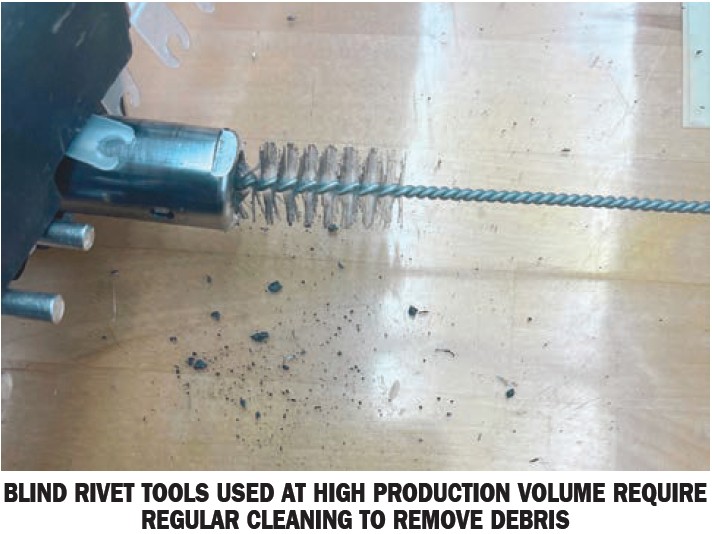
Training should also establish a regular cleaning routine. At high production volumes, blind rivet tools accumulate debris — smut and swarf build up on the jaws and pusher, degrading performance over time. Clean, well-maintained jaws should be visibly shining. Operators are the best people to handle routine cleaning since they work with the tools daily, though in some environments maintenance departments take ownership of this task. Either way, neglecting tool cleaning is one of the most predictable paths to premature tool failure and unnecessary replacement costs.
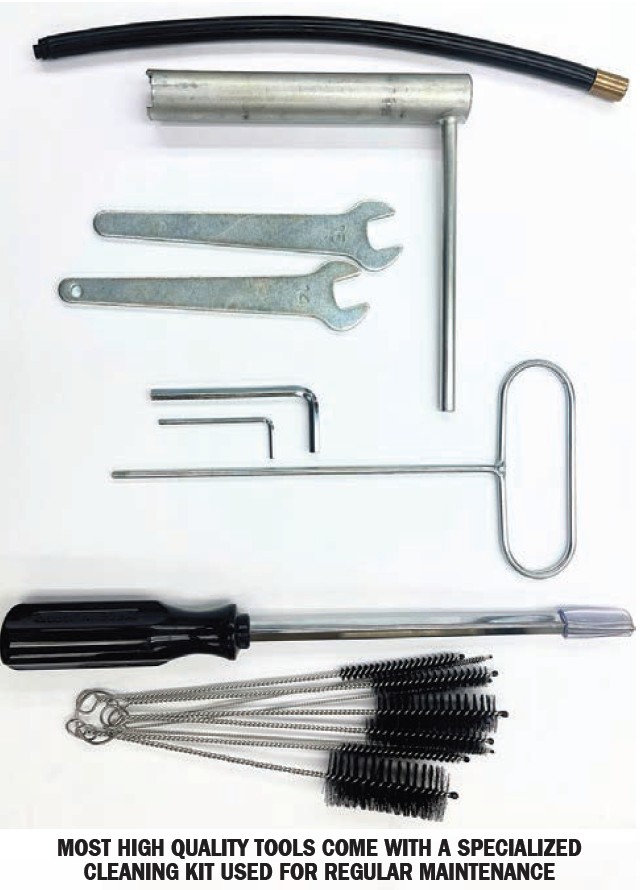
Most high-quality riveting tools come with a specialized cleaning kit — use it consistently and your tools will last significantly longer.
The Bottom Line
Riveting problems are rarely random. They have root causes — and most of those causes are preventable with the right tool selection, proper setup, consistent maintenance, and thorough training. Working closely with a knowledgeable rivet manufacturer like RivetKing® gives fastener distributors and their customers access to the expertise and support needed to resolve issues quickly and prevent them from recurring.
For more information about RivetKing® riveting tools, blind rivets, rivet nuts, and application engineering support, visit rivet.com or email marketing@rivet.com.
Originally published in Distributor’s Link Magazine, Fall 2023. Written by Steven Sherman, Co-Vice President, Industrial Rivet & Fastener Co.