




A blind rivet is a precision two-piece mechanical fastener that can be installed with access to only one side. While this feature provides unique benefits, the beauty of blind rivets is that they can also be used in applications where access to both sides is available. As a result, blind rivets are finding increased demand as a replacement for welds, adhesives, screws, nuts and bolts. Following is a primer on the specific types and uses of blind rivets.
The Basics
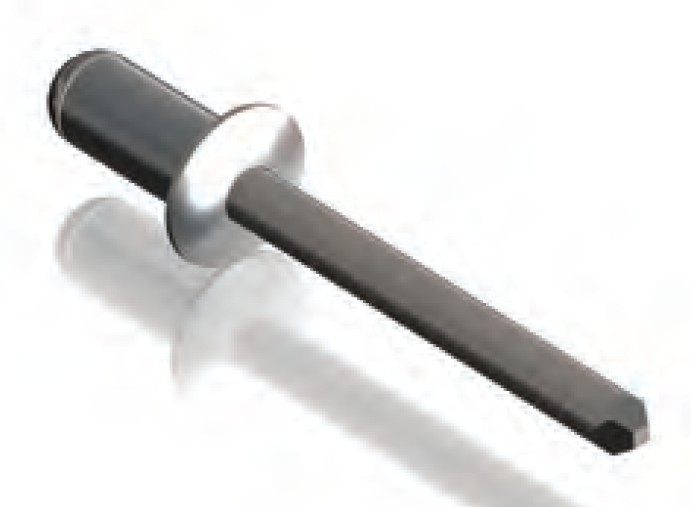
The blind rivet is made up of two primary components: the rivet body and the setting mandrel. The body consists of a primary head, often referred to as the flange. The shank, or the rivet body length under the primary head, determines the grip range of the rivet – or the total thickness of material to be fastened. The mandrel includes the mandrel head, which forms the backside head, and the bulge, which holds the body onto the mandrel, and the predetermined break point.
Rivet Definitions
Body: The component of the blind rivet that does the fastening. It contains a primary head and when set, has an additional secondary head.
Mandrel: Nail-shaped member of a blind rivet assembly used to form the secondary head in setting the rivet.
Break Load: Force required to break the mandrel.
Bulge: The portion of a mandrel where the diameter is greater than that of the wire diameter. It holds the body in place on the mandrel prior to setting.
Breakpoint: A notched area on the mandrel defining the point at which the mandrel breaks.
Primary Head: Original head on the rivet body.
Grip: The total thickness of materials being fastened.
Annular Rings: A series of serrations that pass around the mandrel shank and are perpendicular to it. These rings provide a gripping surface for the jaws of the setting tool and are most often used on high break load rivets.
Galvanic Action: A chemical reaction between dissimilar metals. The reaction is commonly referred to as corrosion.
How It Works
The rivet is inserted into the nose piece of the setting tool, and then into the hole of the application. The tool is activated and the jaws of the tool grasp the mandrel, pulling the head of the mandrel into the rivet body and expanding it into a secondary head. When the assembly is tightly clinched, the mandrel breaks at the predetermined setting force and falls away. When we graph the force versus the distance, we see a curve up to the entry load, or where the mandrel head enters the body, and then a drop when it reaches the break point and the clamp force of the assembly. The entry load should be less than 80% of the peak force for the rivet to function properly.
Design Considerations
Joint Type: The design of the joint is based on whether a single joint or double joint shear is required. The basic joint requirement is having access for the head of the rivet, as well as for the tool. If you cannot fit the rivet or the tool into the joint, you cannot set the rivet.
The primary head of the rivet should clear all radii so that the rivet can lie flat against the primary material. If it is necessary to use an oversized hole due to tolerance conditions, it should be located on the primary side material of the application. Also the hole in the application should be free of burrs at all times.
Joint Thickness: This is one of the prime considerations when selecting a rivet. All manufacturers list a range of thickness in which the product will perform properly. This thickness is commonly called the grip range. When the grip range is violated, either of two occurrences may follow. Overgripping will create a Head Popper where the mandrel head will fall out of a rivet body after setting. In the undergrip condition, it is possible to produce a banana set, in which the secondary side looks like a banana. This may cause a premature break or difficulty in clearing the spent mandrel from the setting tool.
Joint Materials: It is sometimes necessary to use dissimilar materials, such as fastening aluminum to steel, and plastics to aluminum. Whenever possible, the stronger material should be the secondary side because this is where setting will take place. As a general rule, try to specify that the rivet material match the material being fastened and both shear and tensile strength of the joint.
Hole Size: All manufacturers have a recommended hole size for various rivet sizes. The most common rivet failure is mandrel pull through. This occurs when the secondary hole size in the application is too large or too weak to sustain the setting forces. The mandrel ball then passes through the hole and breaks at the intersection of the body of the rivet and the flange, leaving a jagged piece of the mandrel protruding. When it is necessary to use an oversized hole due to tolerance conditions, it should be located on the primary side material of the application. Also the hole in the application should be free of burrs at all times.
Advantages of Blind Rivets
The real or in-place costs of blind rivets are often lower than those of other fasteners due to their speed and ease of application. Rivets can be set in seconds using low cost, lightweight portable tools. Manual or power tools are easy to take to the application, reducing operator fatigue, and can be set up for high-speed automation applications. Blind rivets won’t torque out like threaded fasteners, saving on time and material. The correct setting pressure is predetermined by the breaking point designed into the mandrel. Rivets are also very good for vibration proof assembly since they will not back out like threaded fasteners and hold securely in soft or hard materials. Blind rivets continue to be developed for special applications such as soft plastics and composite materials. Innovations are being made in the design and development of blind rivets with higher strengths, greater corrosion resistance and improved cosmetic design. In cases where standard blind rivets cannot be used, most rivet manufacturers offer special application assistance.
Basic Rivet Types
Open End Rivets: Open end rivets are suitable for most applications because they are available in standard body sizes from 3/32 to 1/4 of an inch and in grip ranges from .030 up to 1 inch. They are also available in a wide variety of material combinations. Open end rivets can be used virtually everywhere, although the selection of the rivet depends largely on the joint requirements. In general, an open end rivet may be used wherever two or more pieces of material need to be fastened together.
Soft Set Rivets: This product is specifically designed for use in soft materials and where there are no high strength requirements. This is an excellent rivet for plastics and brittle application requirements. They afford a firm grip, but provide the more moderate pressure essential in fastening some of the more brittle materials.
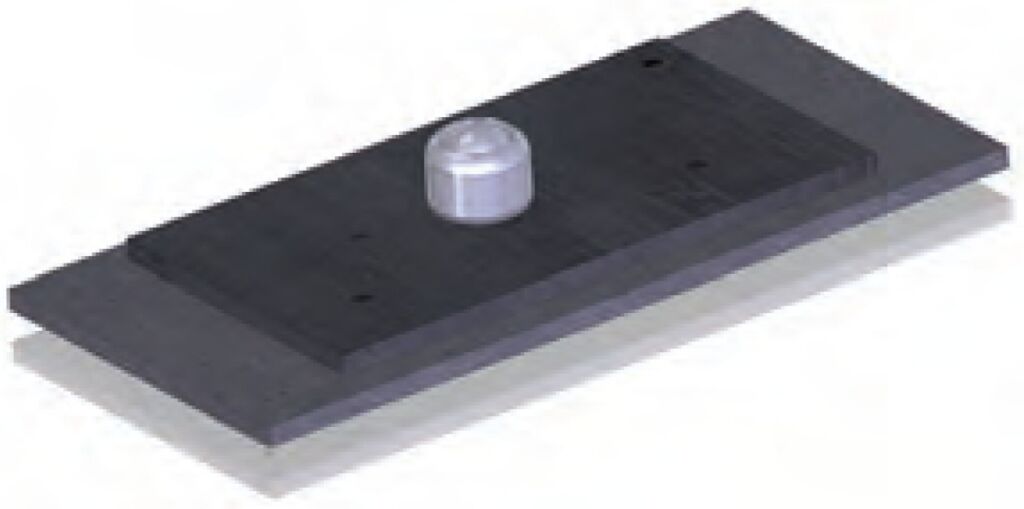
Self Plugger Rivet: This is a flush break product where the mandrel breaks and is locked in place with the head of the rivet body. The flush break feature leaves the mandrel in the shear plane to add increased shear strength.
Closed End Rivets: This rivet type incorporates a unique cup shape end configuration that seals tight for waterproof applications. It also provides 100% mandrel retention. This can be an important factor in assembly of electronic equipment.
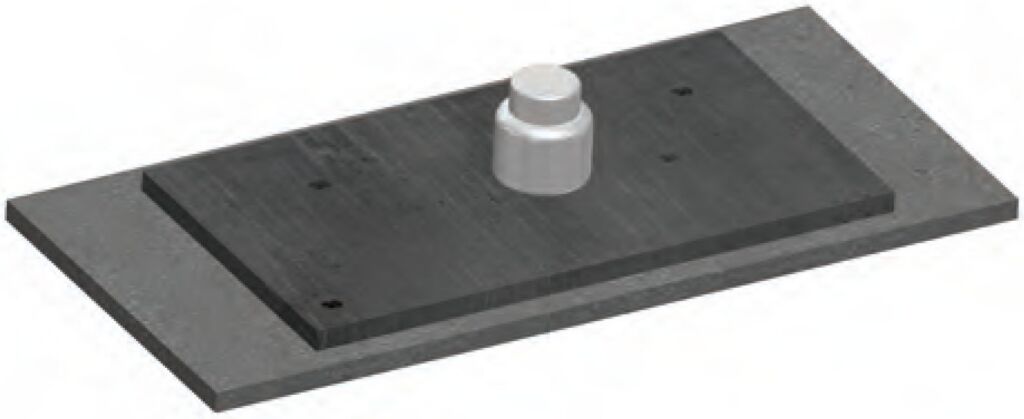
Large Secondary Head Rivets: These rivets function differently than a standard rivet, in that the mandrel does not enter into the body. Instead the mandrel exerts a force on the backside of the rivet body, causing the formation of three petals or legs to collapse and act as a secondary head. This product performs well in soft materials and oversized hole applications.
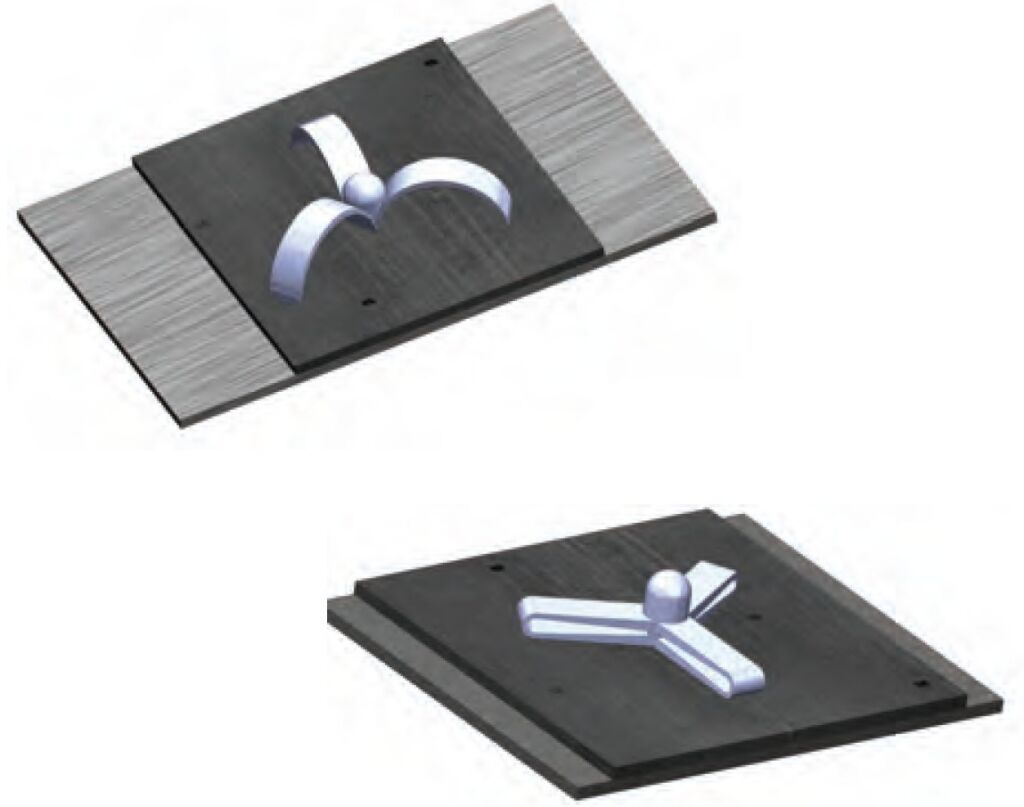
Multi-Grip Rivets: This product is capable of functioning over a larger grip range than standard blind rivets. This is accomplished by modifying the body. Specifically, multi-grip rivets are commonly used where wide variation in the grip range occurs or to eliminate the need to stock different rivet sizes. This rivet also has very good hole filling capability.
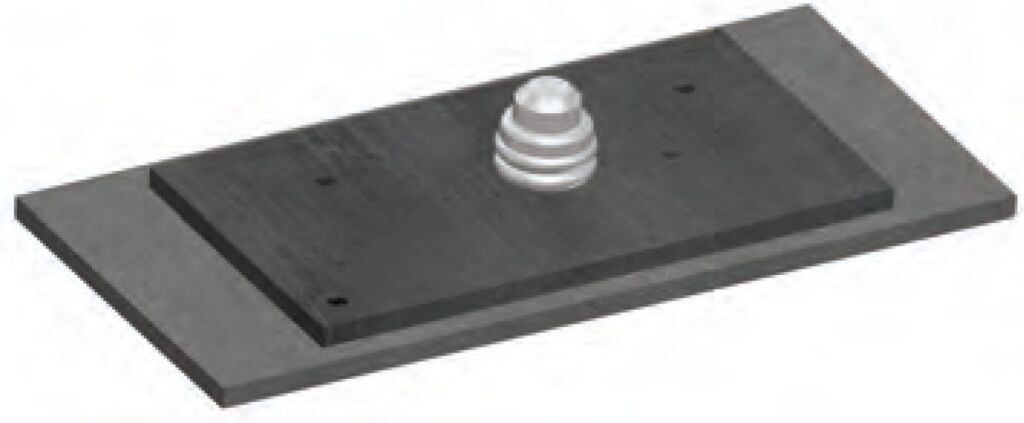
High Strength Rivets: This product provides high shear and tensile strength because of its positive mechanical locking system. This system guarantees 100% mandrel retention that is verifiable, and seals the mandrel head into the body to create superior clamp up.
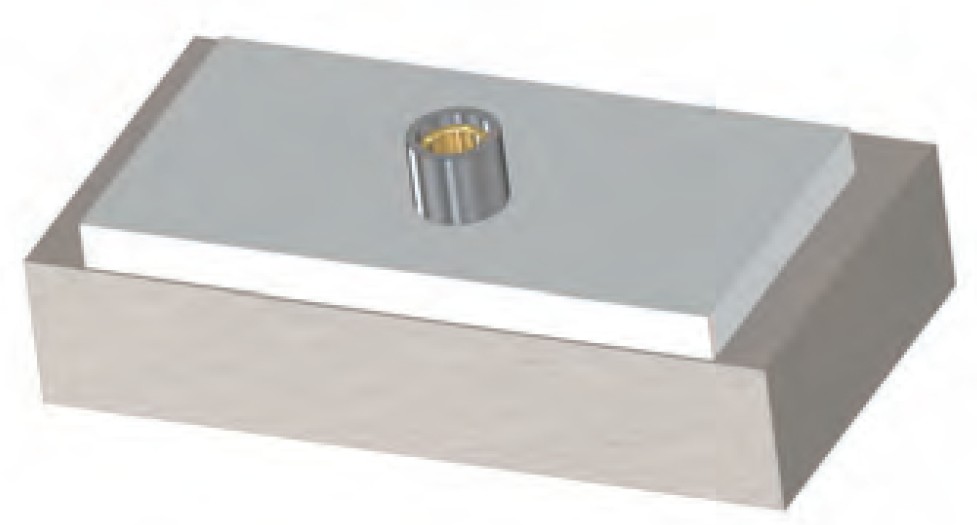
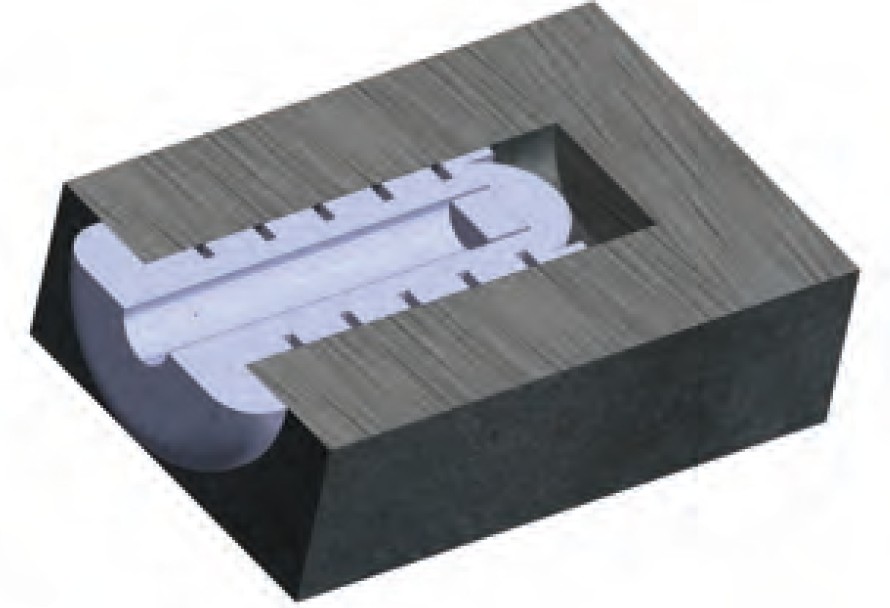
Grooved Rivets: When riveting inside a blind hole of plastic or wood material, the best solution is the grooved rivet. Annular rings have been designed on the body so that the peak and valley of the groove embeds itself into the softer mating materials.
Since rivets can’t simply be removed and replaced like a screw, it is critical to make the right choice for each application. A bad rivet, because it’s permanent, usually means the entire product needs to be disassembled or removed from the line – a loss of both time and money. Look for a manufacturer that works closely with distributors and their customers to ensure you get the rivet that fits your needs exactly from the outset.
Originally published in Distributor’s Link Magazine, Fall 2010. Written by Bill Hylwa, Application Engineer, and Steven Sherman, Vice President, Industrial Rivet & Fastener Co.