




Rivets are often overlooked, yet they’ve held together some of humanity’s greatest achievements — from ancient armor to modern aircraft. Their story spans over 5,000 years and continues to evolve.
In ancient Egypt, bronze pins secured shields and chariots, showcasing early riveting not just as a joining method, but as a symbol of craftsmanship. Riveting spread through civilizations — Greek, Roman, Chinese — anchoring tools, structures, and ships.
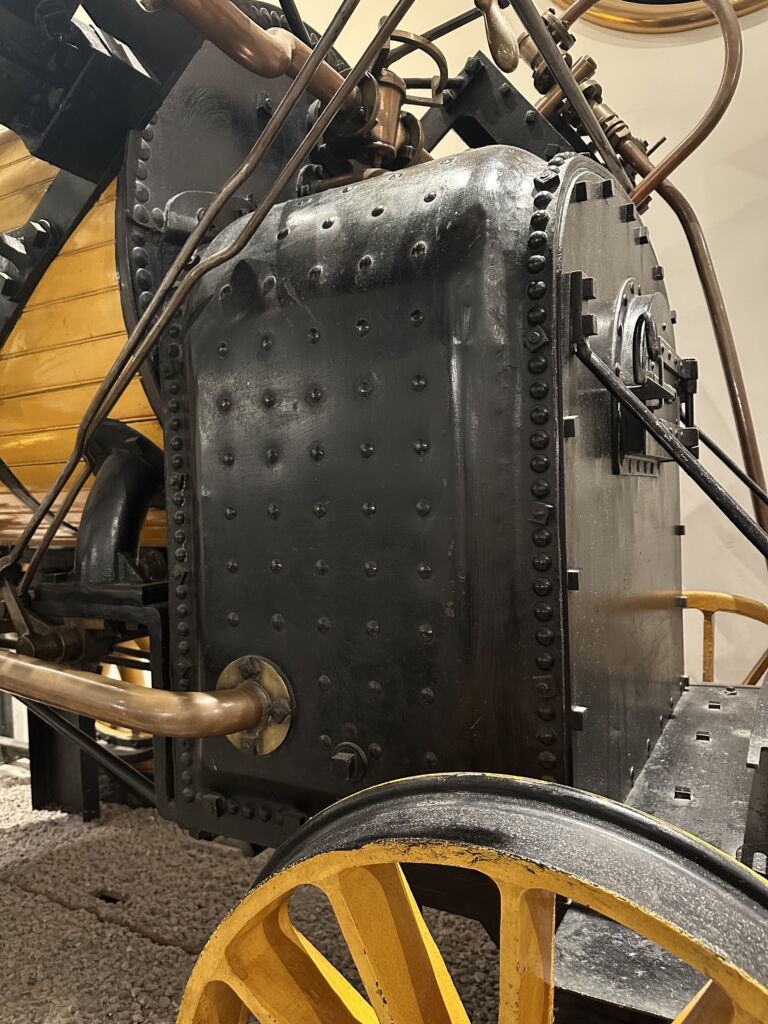
Centuries later, rivets were thrust into the spotlight during the Industrial Revolution. Hot-driven rivets held together bridges, factories, railroads, and ocean liners. Structures like the Brooklyn Bridge and the Eiffel Tower owe their strength to red-hot iron rivets, driven into place by highly coordinated crews of skilled workers.
By the mid-20th century, bolts emerged as a simpler alternative, dominating infrastructure projects due to their flexibility and lower labor costs. But rivets weren’t finished.
In aerospace, where weight and strength are critical, solid aluminum rivets became indispensable. The DC-3, WWII bombers, and commercial jets were all riveted into history. Blind rivets then revolutionized automotive and appliance assembly.
Today, rivets remain one of the strongest and most efficient fastening solutions available. Their ability to create permanent, high-strength joints — often in seconds — makes them invaluable across industries where labor cost is a driving factor.
And Now, A New Chapter Is Unfolding
As manufacturing faces increasing pressure to balance speed, cost, and sustainability, rivets are stepping into the spotlight again. Advances in tool technology have made installation faster, safer, and more precise — reducing downtime and improving ergonomics for operators. Automated and semi-automated riveting systems allow manufacturers to integrate rivets seamlessly into high-volume production lines, cutting cycle times without sacrificing quality. Industries from electric vehicles to renewable energy infrastructure — and now, the rapidly expanding world of data centers — are turning to rivets for assembly methods that deliver both performance and efficiency.
For distributors, the “rivet renaissance” is more than just a nod to history — it’s a call to seize emerging opportunities. As production methods evolve and industries seek fastening solutions that can keep pace, rivets offer the rare combination of time-tested performance and modern adaptability.
Originally published in Distributor’s Link Magazine, Fall 2025. Written by Steven Sherman, Co-Vice President, Industrial Rivet & Fastener Co.